 by
by The Sea of Galilee laps at our heels so peacefully. It’s difficult to imagine that a battle fought here at Tzemach, on the southern edge of the Sea, just over 100 years ago today helped to shape the region today. The Turkish empire, stretching back to its beginnings in the 16th century would come to an end after World War I; and the desire to regain its influence in the region influences Turkey’s flexing its muscles today.
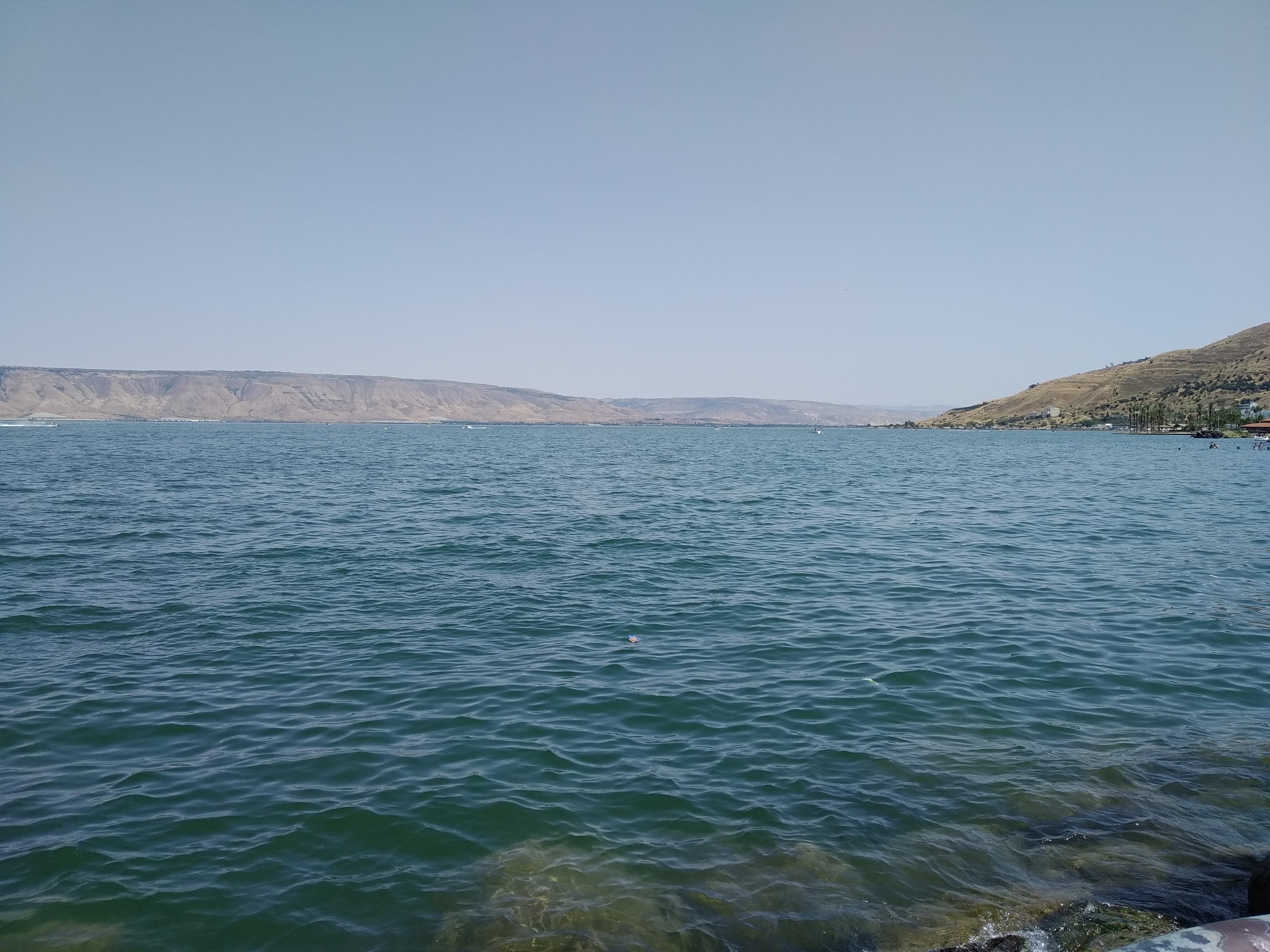
So, what exactly happened at Tzemach 108 years ago today?
The British army’s final blow against the Turks was 108 years ago today – on September 25, 1918. It’s hard to underestimate the impact of the British empire on the region and on Israel in particular. What had started as Britain’s first victory in the Holy Land, at the Battle of Be’er Sheva on October 31, 1917, was sealed in the North, at Tzemach junction less than a year later. Tzemach was defended by the Germans serving under Otto Limon von Sanders, along with a small group of Turkish soldiers. The British, with the ANZAC Light Horsemen, under General Allenby chose to attack first instead of waiting for reinforcements, as the Germans and Turks would also benefit from reinforcements on their side.
The battle centered on the Tzemach train station on the southern banks of the Sea of Galilee. The train station here had been completed in 1905 as an integral hub in connecting Damascus to the industrial port city of Haifa through the Jezreel valley. This strategic building project, funded by the Turks and engineered by the Germans, connected Damascus to the important oil pipeline terminus in Haifa. Along the way, it also served the Jewish communities in the Jezreel valley and functioned as a vital goods pipeline for the agricultural produce of the kibbutzim there.
Before dawn on September 25, 1918, the first shot was fired by the British. Immediately, a battle commenced pitting the 4th, 11th, and 12th Australian Light Horse Brigades against the Germans and Turks. The Germans were well entrenched in the train station and had plenty of munitions including hand grenades and machine guns. The Light Horsemen started their attack as a cavalry charge, the last cavalry battle ever (by World War II horses were replaced by tanks). Because the battle occurred before sunrise, the light horsemen did not have the benefit of light and were guided by the light from exploding grenades and the battle around the train station. This was the only night horse raid into unknown territory in the First World War. The light horsemen dismounted when they got close enough to the train station and a face-to-face, room-to-room battle commenced within the building itself. The battle ended with the coming of dawn – one hour after the initial shots were fired.
In the course of fighting, 14 Australians were killed and 100 horses lost their lives. Among the Australians who participated in the battle were many Aboriginals, but none of them were killed in battle. On the German side, there were about 100 dead and 360 German soldiers were taken as hostages. From Tzemach, the British would advance to Damascus, capturing the city less than a week later, on October 1, 1918.
With that victory, the British had clear superiority in the Middle Eastern theater and the Turks would not be able to make their way back to the south. The southern part of the Turkish empire would be split between the British and the French and the histories of the modern countries of Israel, Jordan, Lebanon, Syria, and Iraq would begin. The sting of losing their empire surely stayed with the Turks and echoes in Turkish foreign policy until today.
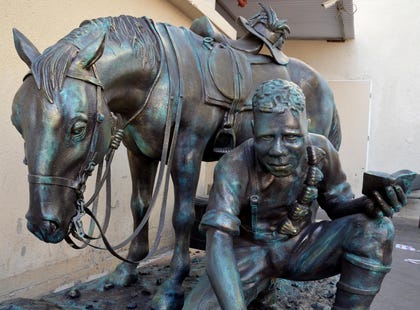
Today, there is a monument to the brave Light Horsemen near the site of the battle, within the grounds of the Kinneret College, and almost every year there is a ceremony on September 25 to remember the battle and those who lost their lives in the fight.


Leave a Reply